PHAROS partners meet in Filderstadt and close with a networking conference in Stuttgart


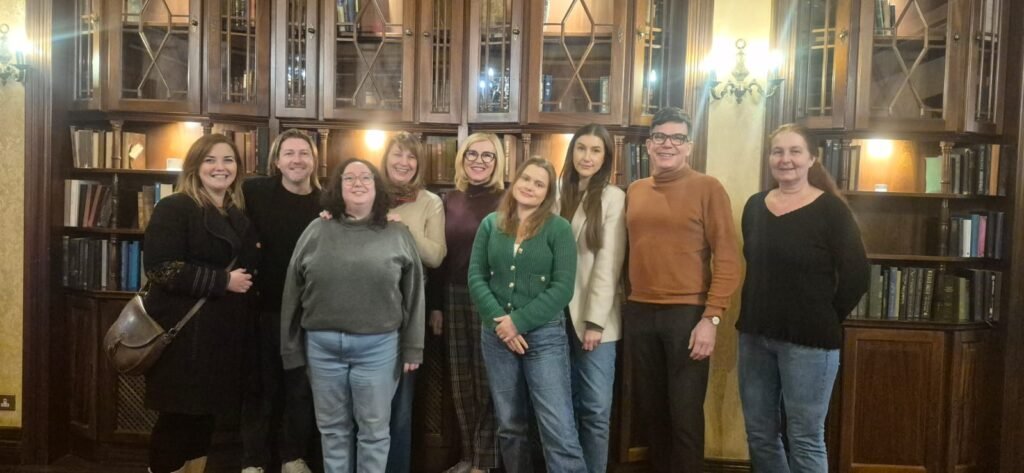
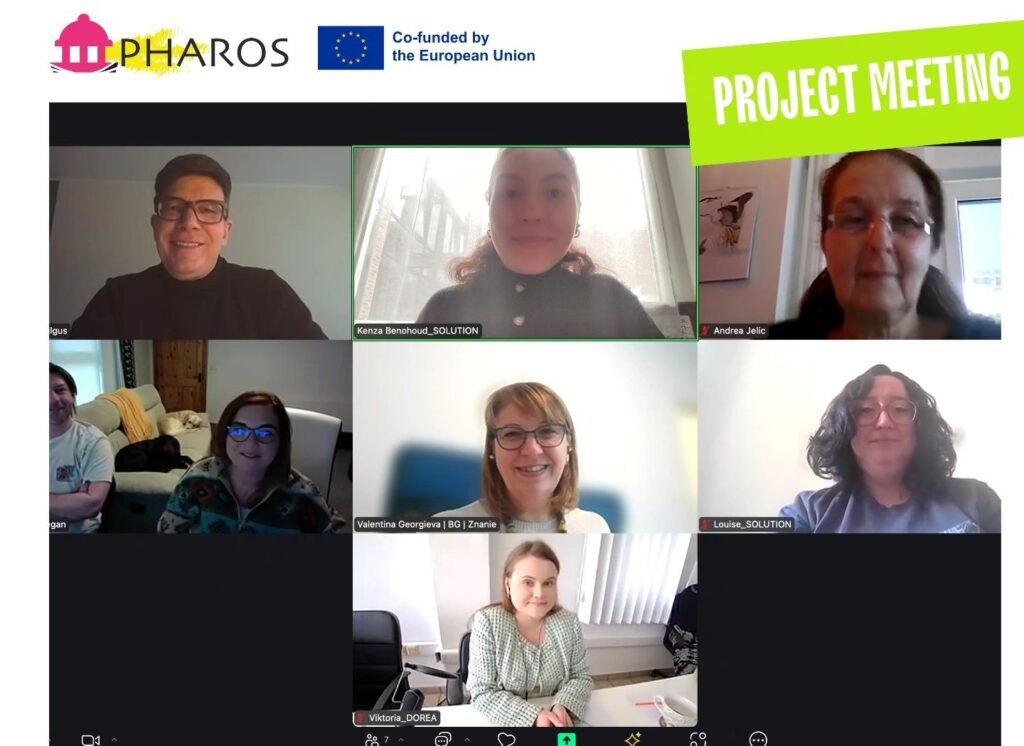
From 31 August to 3 September 2026, the PHAROS partnership came together in Germany for the project’s third transnational partner meeting, hosted by the coordinator INTEGRA Filder e.V. Two days of work in Filderstadt were followed by the project’s final networking conference in Stuttgart.
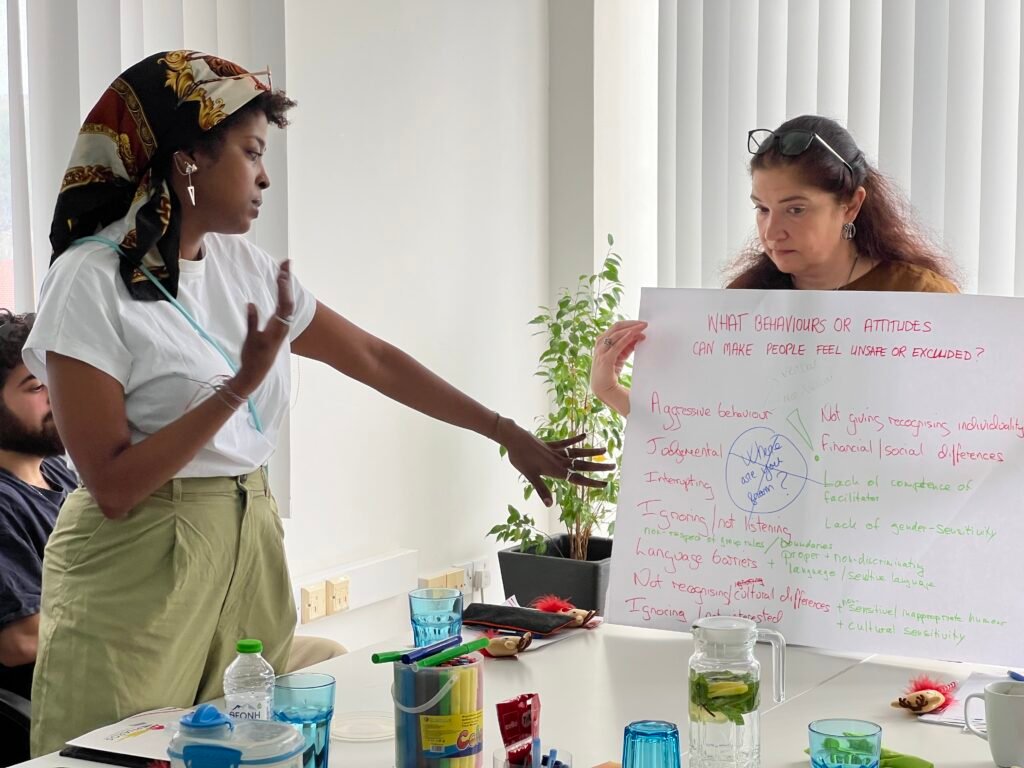
The working day at INTEGRA Filder gave the partners the chance to look at the whole project at once. They reviewed progress and remaining tasks across all four work packages, agreed the plan for final reporting, and went through the quality management report together. Much of the day was given to the two training programmes: partners shared reports from the piloting of the modules in each country, tested the PHAROS learning platform, and discussed the refinements that the feedback from pilots and multiplier events had brought to light. The day closed with work package 4, looking at dissemination so far and at how the project’s results will keep being used once the funding ends.
On Wednesday the group travelled to Stuttgart, where the final networking conference took place at Stiftung Geißstraße. Martin Kilgus and Andrea Jelic of INTEGRA Filder hosted the afternoon and welcomed guests from organisations working with migrants and refugees in the region.
The partnership presented the results of two years of work. Daiva Malinauskienė of Soros International House introduced the Lay Mental Health Advisor Curriculum, the 30-hour programme that prepares migrants and refugees to support peers in their own communities. Valentina Georgieva of Znanie Association presented the Upskilling Programme for Educators and Support Workers, which gives professionals trauma-informed and culturally competent tools for their everyday work. Jolanta Banelytė of DOREA Educational Institute presented the PHAROS learning platform, showing guests how to register, how to find and start a course, and how learners follow their own progress through to the certificate.
Both courses are now online, free of charge and open to anyone, in English, Bulgarian, German, Greek, French and Lithuanian, together with the Peer-to-Peer Support Network Guidebook and the face-to-face workshop materials for trainers.


Responses